
Blood Lipids

Essential reading for people with high cholesterol: Fitness and sleep guidelines, and precautions for lowering cholesterol.
This article provides comprehensive lifestyle guidance for patients with hyperlipidemia, covering topics such as appropriate exercise intensity, key aspects of sleep safety, and the principles of moderate lipid-lowering treatment. It emphasizes the importance of scientifically managing blood lipid levels through adjustments to exercise and sleep habits, combined with appropriate lipid-lowering measures, to maintain cardiovascular health.
2026-03-11
Detailed Explanation of the Five Major Complications of Hyperlipidemia and Their Pathological Connections
This article provides a detailed analysis of five major complications that high blood lipids may cause, including fatty liver and stroke, and elucidates their pathological connections to help you understand the potential dangers of high blood lipids and prevent related diseases.
2026-03-10
Warning about complications of high cholesterol: A comprehensive analysis of the risk of blindness and target management.
This article details the serious complications that dyslipidemia can lead to, such as Cushing's syndrome and blinding retinopathy, and emphasizes the urgency of managing blood lipid levels to "target levels." It provides scientific prevention and monitoring recommendations to help you effectively control your blood lipid levels and avoid health risks.
2026-03-10
Weight Loss and Mental Well-being: A Guide to Exercise and Emotional Management for People with High Blood Pressure, High Cholesterol, and High Blood Sugar
Moderate aerobic exercise can aid in weight loss and help stabilize blood pressure and lower cholesterol. Combined with genuine emotional release and a balanced diet, it can help you lose weight safely, maintain your mental and physical well-being, and reduce the risk of developing high blood pressure, high blood sugar, and high cholesterol.
2026-03-10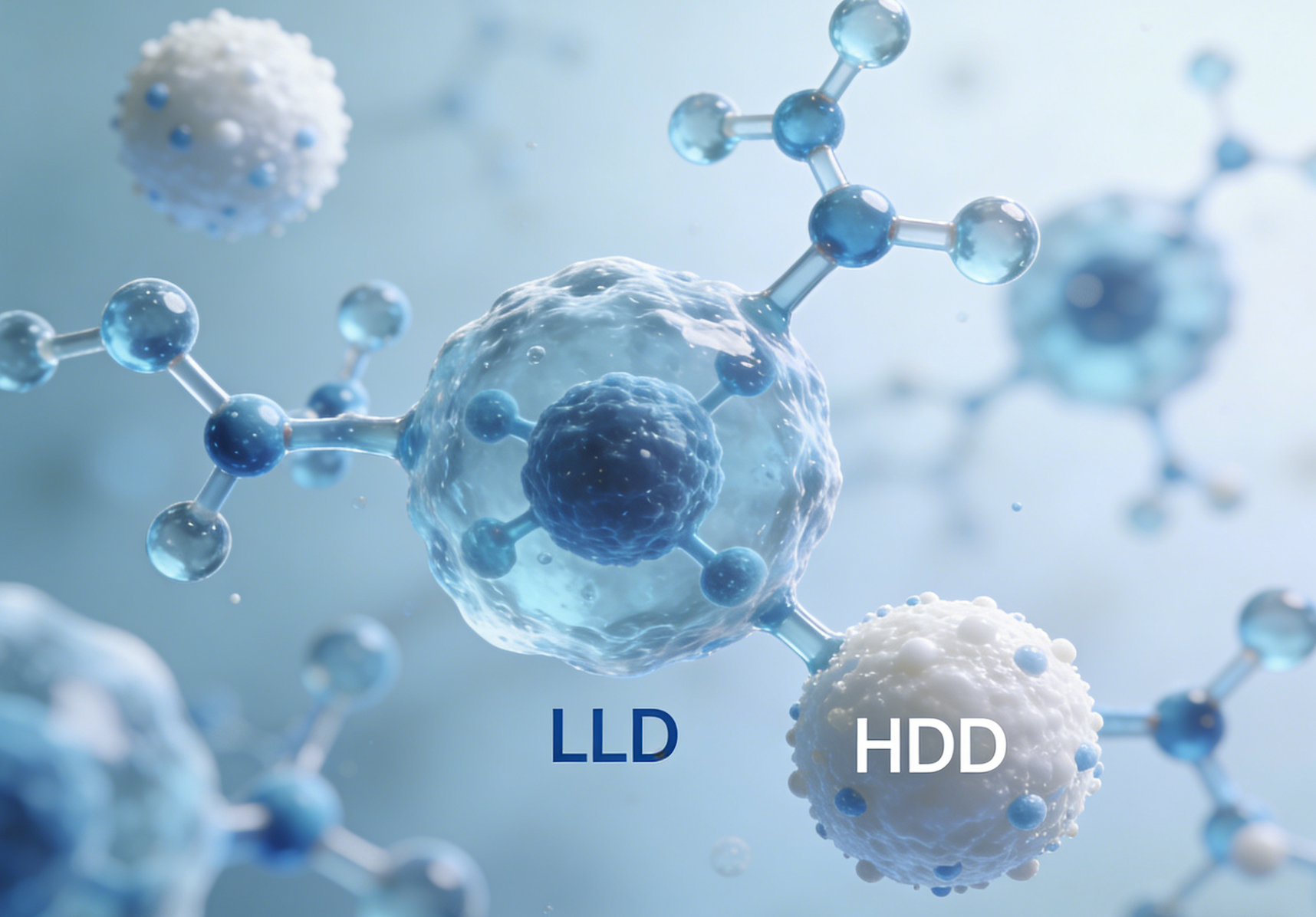
A Comprehensive Analysis of Cholesterol: Good and Bad, Functions and Health Balance
This article provides a detailed analysis of the definition and classification of cholesterol, as well as its crucial role in key physiological functions such as bile synthesis, cell membrane construction, and hormone production. Understanding the dual role of cholesterol helps in the scientific management of blood lipid levels, maintaining a healthy lipid balance when necessary, and avoiding the risks of excessively high or low levels.
2026-03-10
Analysis of Clinical Manifestations of Hyperlipidemia: Changes in the Eyes and Recognition of Skin Signals
This article details the clinical manifestations of high blood lipids in the eyes and skin, such as corneal arcus (arcus senilis) and fundus changes associated with hyperlipidemia. Understanding these symptoms helps in the early identification of potential lipid abnormalities. However, most cases of high blood lipids are asymptomatic, and regular monitoring of blood lipid levels is crucial for detecting problems.
2026-03-10
Detailed Explanation of Diagnostic Criteria for Hyperlipidemia: Six Subtypes and Clinical Manifestations
This article provides a detailed analysis of the six diagnostic subtypes of hyperlipidemia (hyperlipoproteinemia), from type I to type V, explaining the blood characteristics, cholesterol and triglyceride changes, and related diseases of each subtype. Understanding these subtypes helps in the accurate diagnosis of dyslipidemia and provides a basis for targeted treatment.
2026-03-10
Analysis of three high-risk groups for high blood lipids: elderly, genetic, and obesity factors.
This article provides a detailed analysis of the three high-risk groups for high blood lipids: the elderly, those with a family history of high blood lipids, and obese individuals. It explains how aging, genetic factors, and obesity affect lipid metabolism. Understanding these high-risk factors helps in early monitoring and scientific management of blood lipid levels, thus preventing cardiovascular and cerebrovascular diseases.
2026-03-10
Low cholesterol is not necessarily healthy! Blood lipid management requires balancing two key factors.
This article clarifies the misconception that "the lower the cholesterol, the better," pointing out that excessively low blood lipids in the elderly can actually increase health risks. It also details the different roles of very low density (VLDL) and low density (LDL) lipoproteins in lipid metabolism, emphasizing the importance of scientific management and maintaining a balance, rather than blindly pursuing low values.
2026-03-10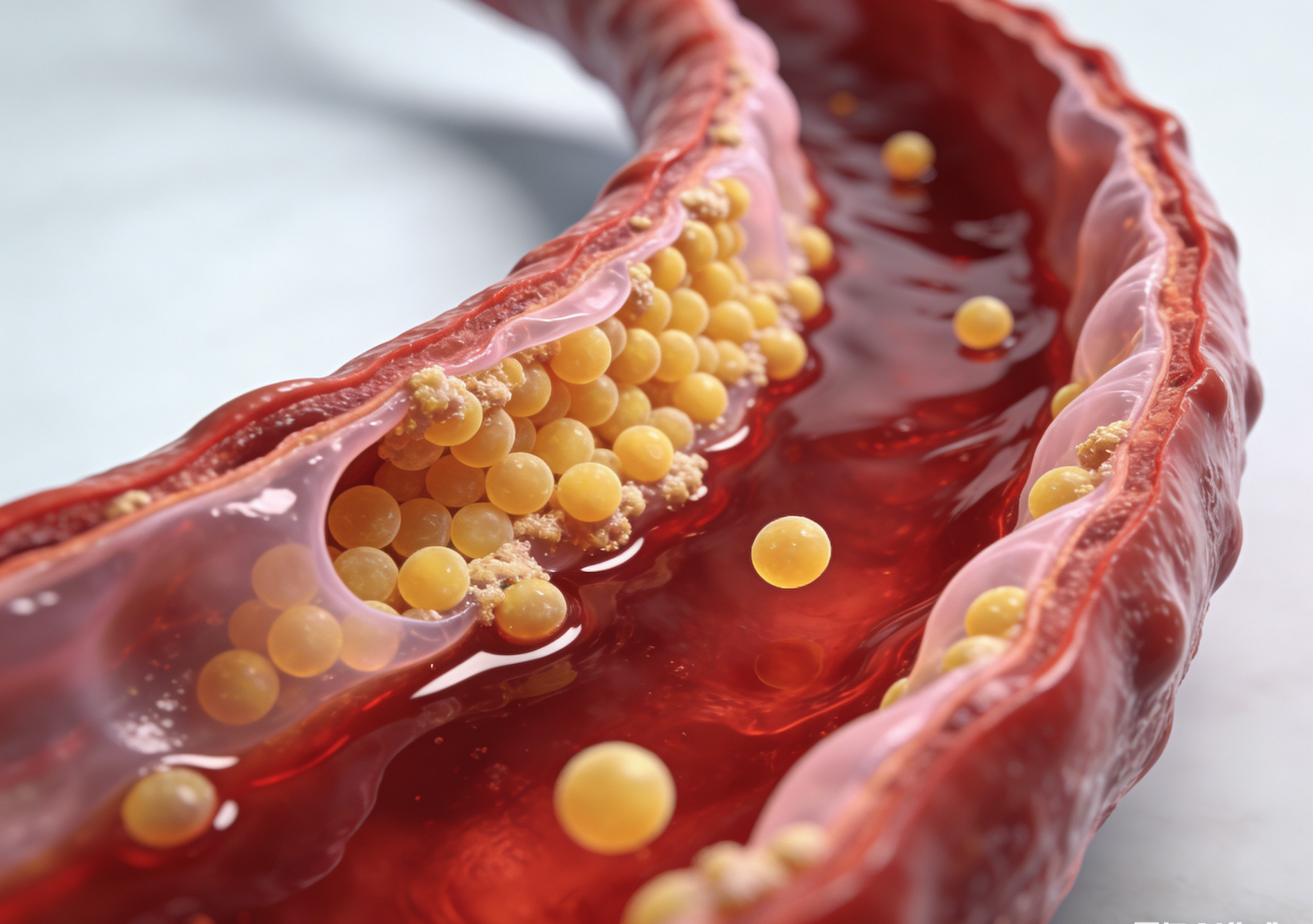
Analysis of diagnostic criteria, classification, and eleven high-risk groups for hyperlipidemia
This article details the diagnostic values for four key blood lipid indicators and analyzes four types of hyperlipidemia, including high cholesterol and high triglycerides. It also outlines eleven high-risk groups prone to hyperlipidemia, including those with a family history of the condition and those who are obese, to help you scientifically assess your own blood lipid health risks.
2026-03-09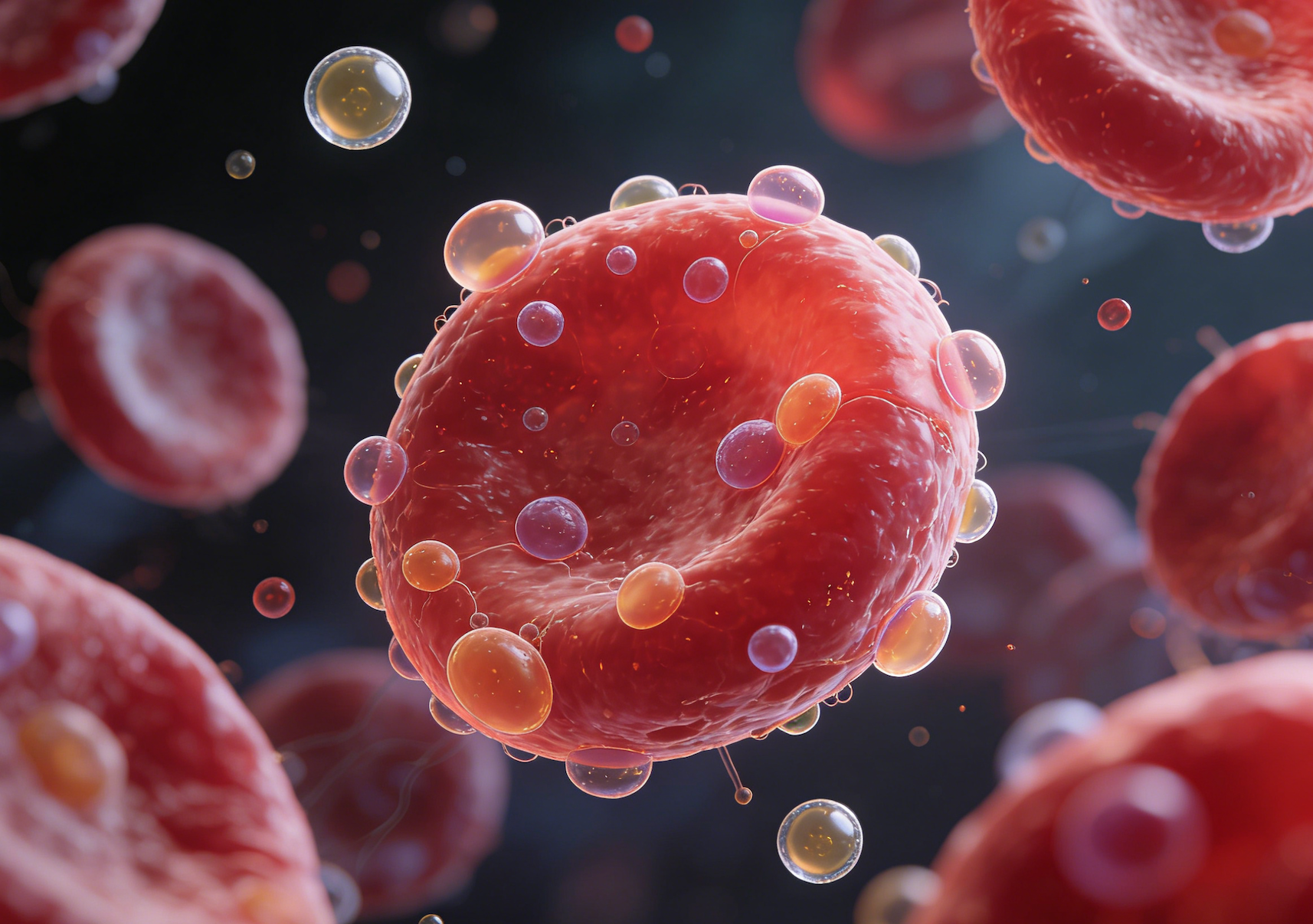
Detailed Explanation of Blood Lipids: Definition, Normal Range, and Comprehensive Analysis of Seven Influencing Factors
This article explains the definition of blood lipids in detail, including components such as cholesterol and triglycerides, and lists the normal ranges for various blood lipid indicators. It also systematically analyzes how seven major factors—genetics, diet, season, and emotions—affect blood lipid levels, helping you scientifically maintain blood lipid balance.
2026-03-09
High cholesterol skin warning signs: Identification and significance of seven types of xanthoma
This article provides a detailed analysis of seven typical skin manifestations of high blood lipids—xanthomas—including their morphological characteristics and diagnostic significance in areas such as tendons and eyelids. Understanding these skin signals of abnormal blood lipids can help identify lipid problems early and provide clues for intervention and treatment.
2026-03-09
The Dangers of Hyperlipidemia and its Three-Tier Prevention: A Comprehensive Analysis and Coping Strategies
This article details the serious harm that hyperlipidemia causes to multiple systems, including the heart, brain, and pancreas, emphasizing the importance of controlling blood lipids. It also systematically introduces the core measures for the three levels of prevention of hyperlipidemia, including drug therapy and lifestyle interventions, guiding patients to scientifically manage their blood lipid levels and prevent cardiovascular and cerebrovascular complications.
2026-03-09
High cholesterol definition and self-testing guidelines: Analysis of seven symptoms and diagnostic criteria
This article explains in detail the medical definition of hyperlipidemia and the differences between the diagnostic standards in China and the United States, and lists seven common self-test symptoms such as dizziness and xanthelasma palpebrarum to help you identify early signs of abnormal blood lipids and understand the importance of blood lipid management.
2026-03-09
A Complete Guide to Blood Lipid Measurement: Frequency, Procedures, and Key Points for Result Interpretation
This article details the correct frequency of blood lipid measurements for different population groups and the key preparatory steps before the test, guiding you on how to correctly interpret blood lipid test reports, avoiding common misinterpretations, and helping you to scientifically monitor and manage your blood lipid levels.
2026-03-09
Analysis of Dyslipidemia: Contributing Factors and Classification from a Western Medical Perspective
This article provides a detailed explanation of the factors and classifications of hyperlipidemia from a Western medical perspective, including primary causes such as genetics and diet, as well as secondary causes such as obesity and diabetes, to help readers understand the importance of lipid management.
2026-03-09
Does elevated triglyceride level require treatment? A tiered management plan for dyslipidemia.
This article analyzes the dangers, causes, and graded treatment options for elevated triglycerides. It provides scientific guidance on lipid management, from lifestyle adjustments to medication selection (such as statins and fibrates), to help control lipid levels, for different degrees of dyslipidemia.
2026-03-08
Diabetes Diagnosis and Monitoring: Detailed Explanation of Six Key Blood Glucose Tests
This article details six key tests that diabetic patients should undergo, including fasting blood glucose, postprandial blood glucose, and glycated hemoglobin (HbA1c). These tests help to comprehensively assess blood glucose levels and are important bases for diagnosing diabetes and developing effective blood glucose control plans.
2026-03-08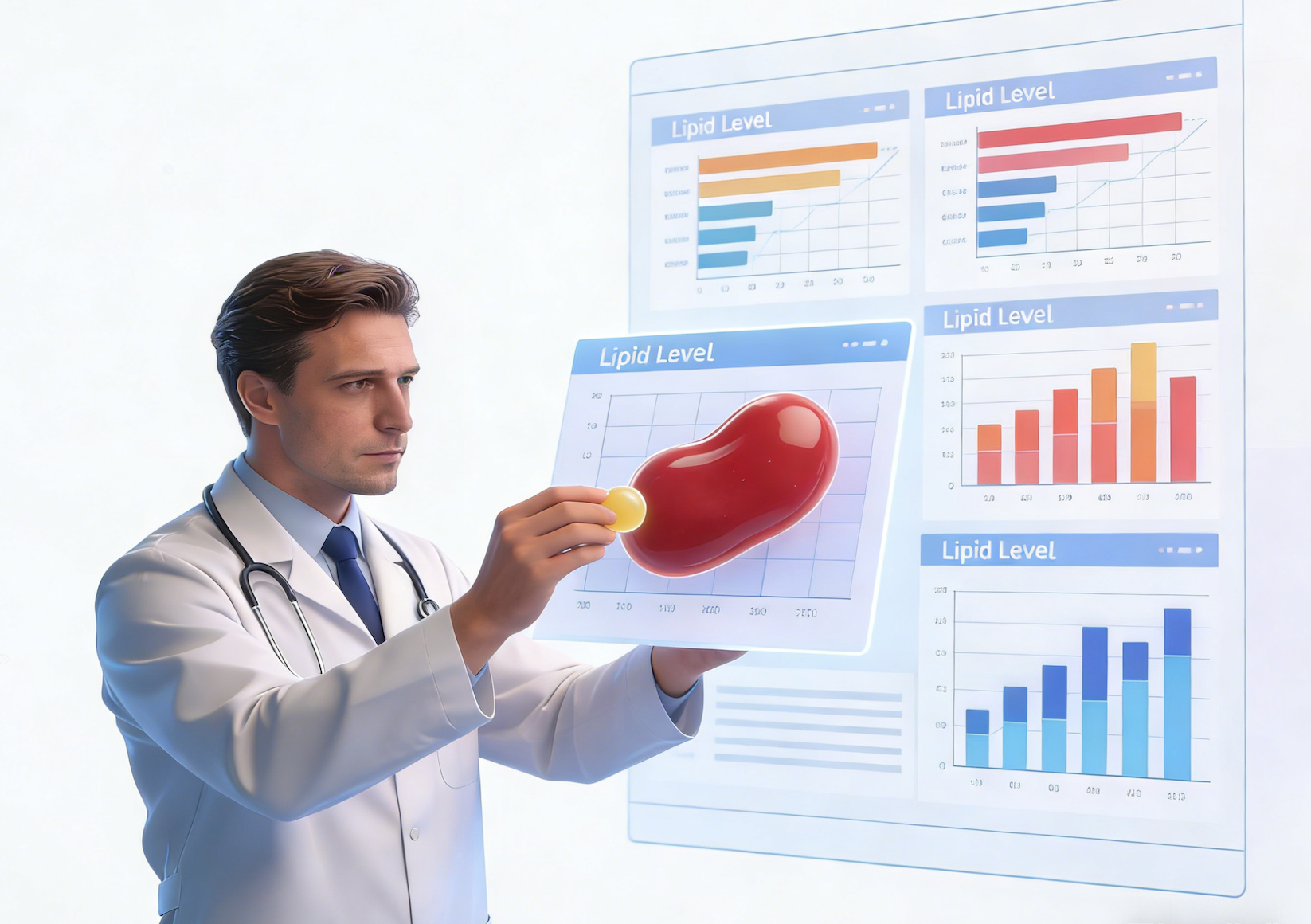
Detailed Explanation of Five Blood Lipid Indicators: Clinical Significance and Treatment Guidelines
This article provides a detailed explanation of the clinical significance and treatment recommendations for five indicators in blood lipid tests, including triglycerides, total cholesterol, and low-density lipoprotein (LDL). It aims to help readers correctly understand blood lipid indicators, scientifically manage blood lipid levels, and effectively prevent cardiovascular disease.
2026-03-08
Comprehensive Explanation of Common Blood Lipid Problems: From Definition to Hazards and Control Methods
This article answers six common questions about blood lipids, including the definition of blood lipids, the dangers of high blood lipids, and their relationship with diet. It helps readers scientifically understand blood lipid levels and the importance of controlling blood lipids for health.
2026-03-07